
Children are not possessions. They are individuals, each with their own thoughts, feelings, talents, and dreams. As parents, it’s natural to want to protect them, guide them, and help them make the “right” choices but it’s important to remember that ownership is never part of parenting. Every child has their own life to live, their own journey to explore, and their own unique identity to develop.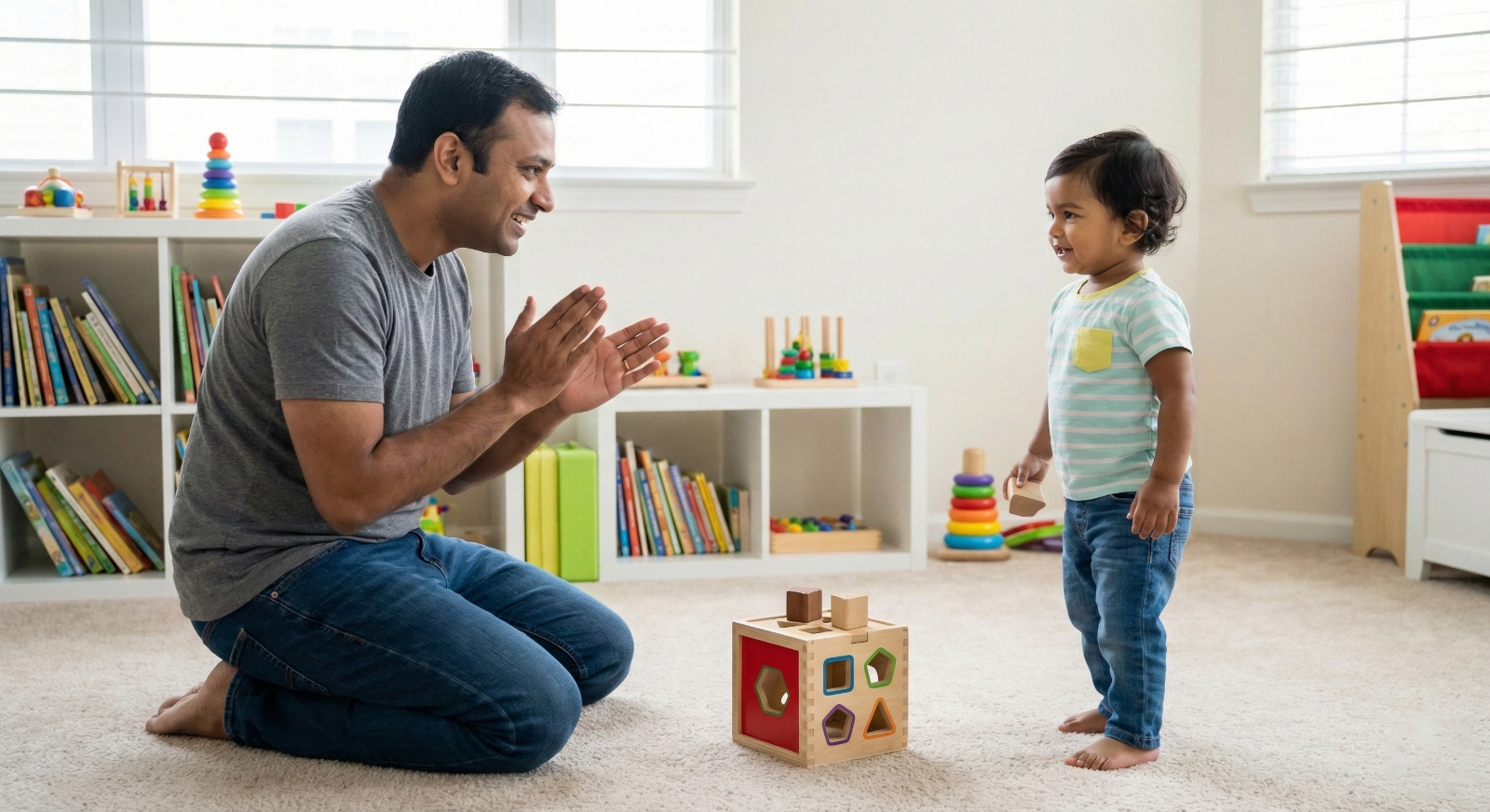
When children are treated as extensions of parental expectations, the consequences can be subtle but powerful. They may grow up feeling pressured, unheard, or afraid to make mistakes. Their curiosity may be stifled, and their confidence may falter. While parents act out of love, too much control can limit a child’s ability to understand themselves, make independent decisions, and embrace their true potential.
True parenting is about support, not control. It’s about listening carefully, understanding deeply, and creating a safe space where children feel free to express themselves. Guidance should empower them to think critically, make choices, and learn from their experiences. It’s not about telling them what to do at every step it’s about helping them discover who they are and who they want to become.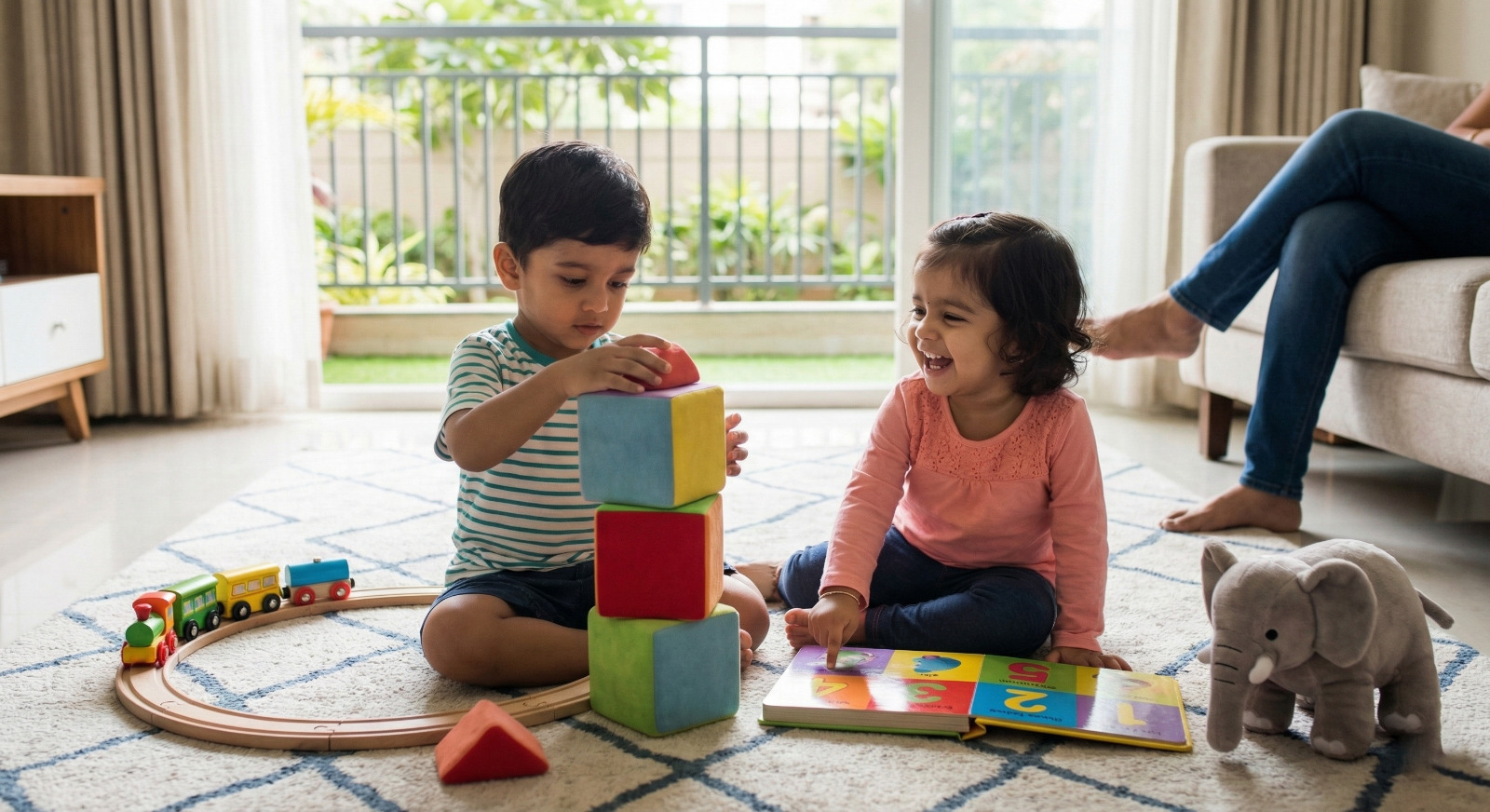
Respecting a child’s individuality builds essential life skills. Children learn responsibility, decision-making, resilience, and self-belief. They gain confidence not because they have avoided failure, but because they’ve been trusted to explore, experiment, and grow at their own pace.
Parenting is best seen as a partnership a relationship where freedom and guidance coexist. When parents balance care with respect for individuality, children grow into emotionally strong, confident, and capable individuals ready to navigate the world, embrace challenges, and pursue their own dreams with courage.
At the heart of this approach is a simple truth: children are not ours to own—they are ours to nurture, guide, and trust.
