
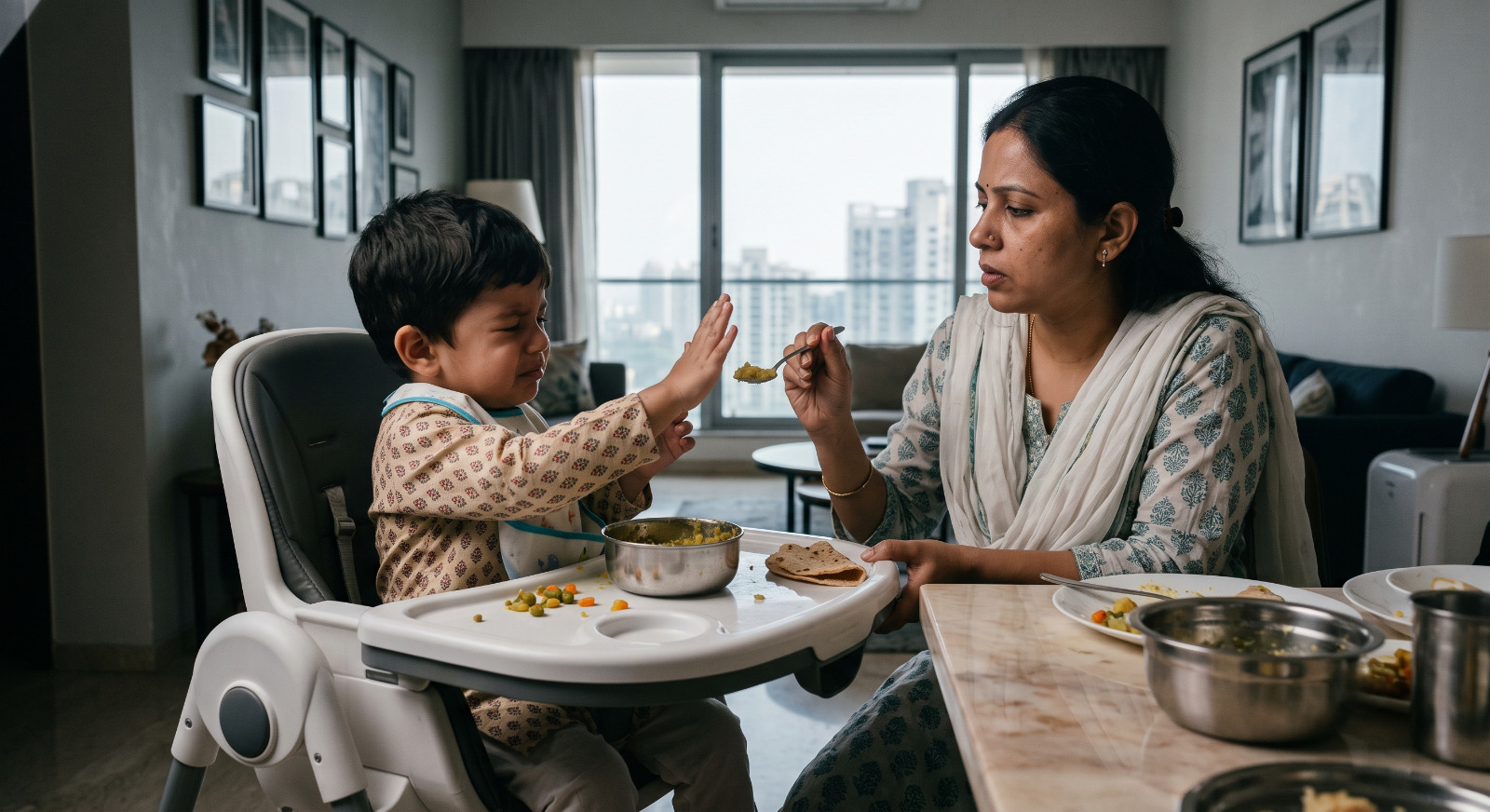
"One more bite. Just try it. You loved this last week!”
If mealtimes in your house have turned into a small daily negotiation, you are far from alone. Almost every parent of a young child has stood at the table, plate in hand, wondering how something as simple as eating became such a battle.
Here’s something that helps: a child refusing food is rarely about the food; it’s often about control. Mealtimes are one of the few moments in a young child’s day where they get to decide something for themselves – what goes in, how much, how fast. Taking that choice away, even gently, can turn eating into a fight neither side really wants.
Children’s appetites also change from day to day far more than adults expect. A big lunch yesterday doesn’t mean a big lunch today, and that’s completely normal, not a sign that something is wrong.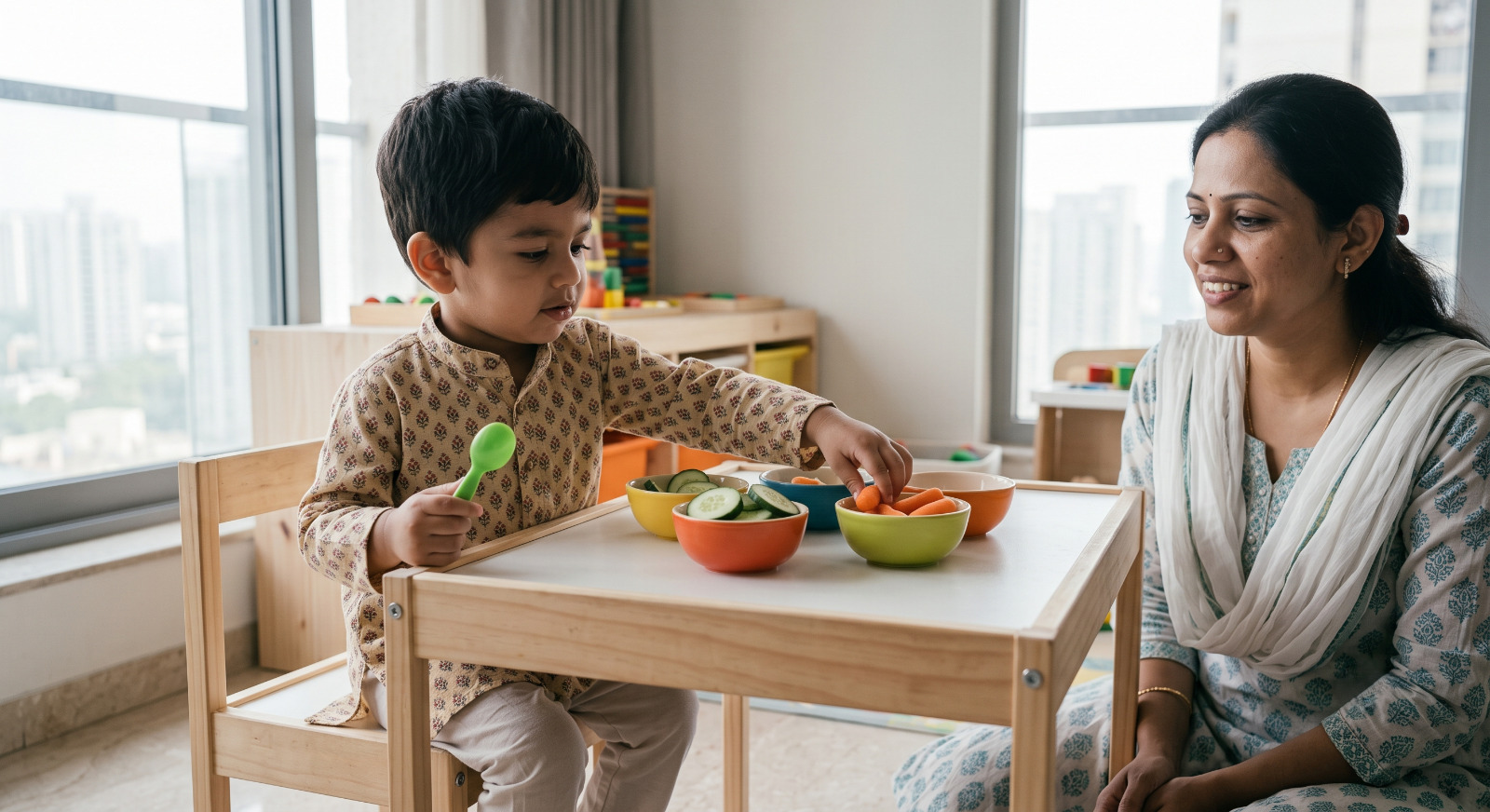
What actually helps over time isn’t more convincing – it’s less pressure. Offering choices within limits (“carrot or cucumber?”), letting them serve themselves even if it’s messy, and staying calm when a plate comes back half full all do more than a single “please eat” ever will.
We’ve noticed the same thing at school – children given a little ownership at the table, even something as small as choosing their own spoon, approach food with far more curiosity than kids who are constantly coaxed.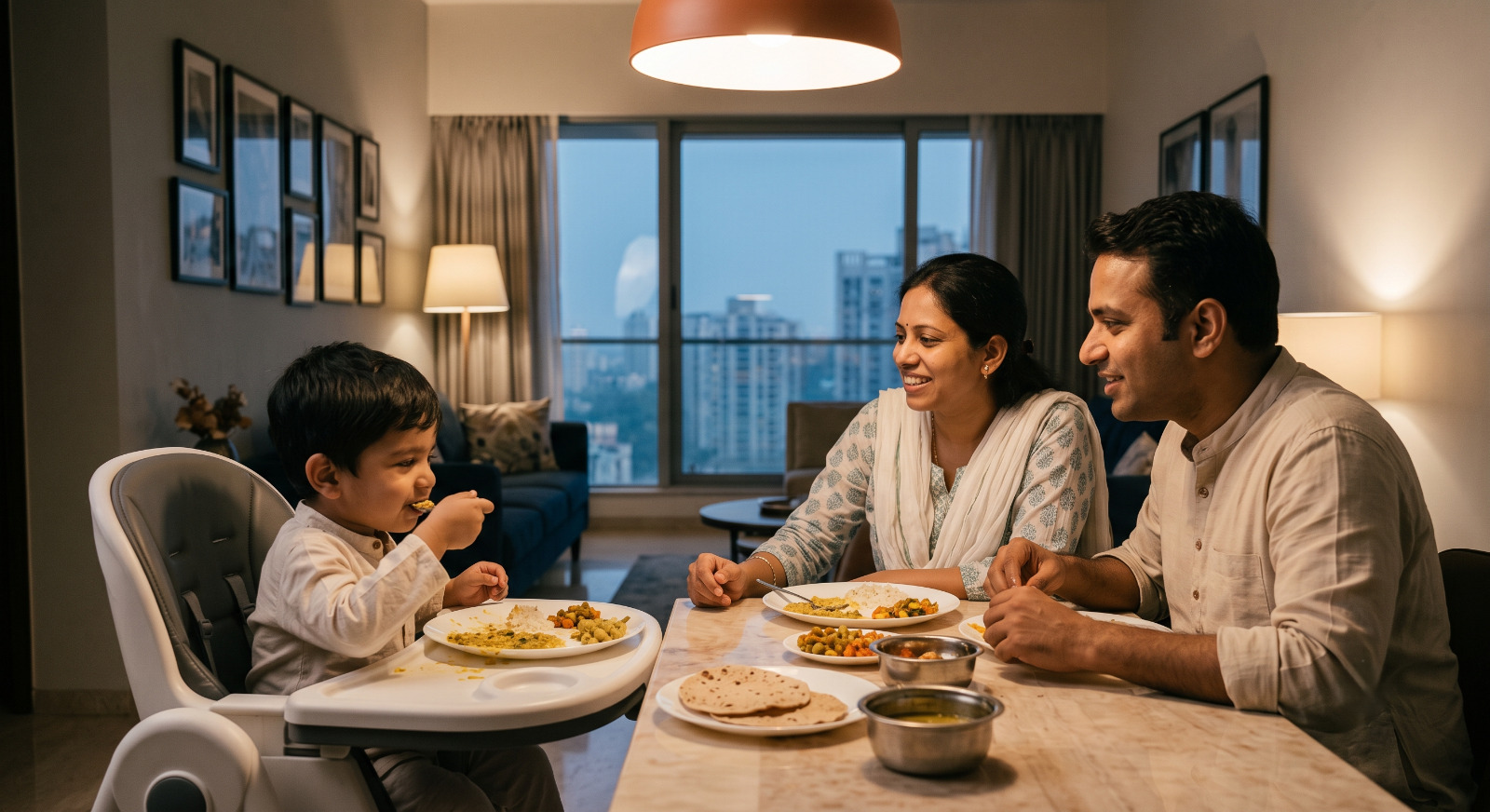
Food is one of the earliest places a child learns to trust their own body. The calmer we can keep the table, the sooner that trust builds.