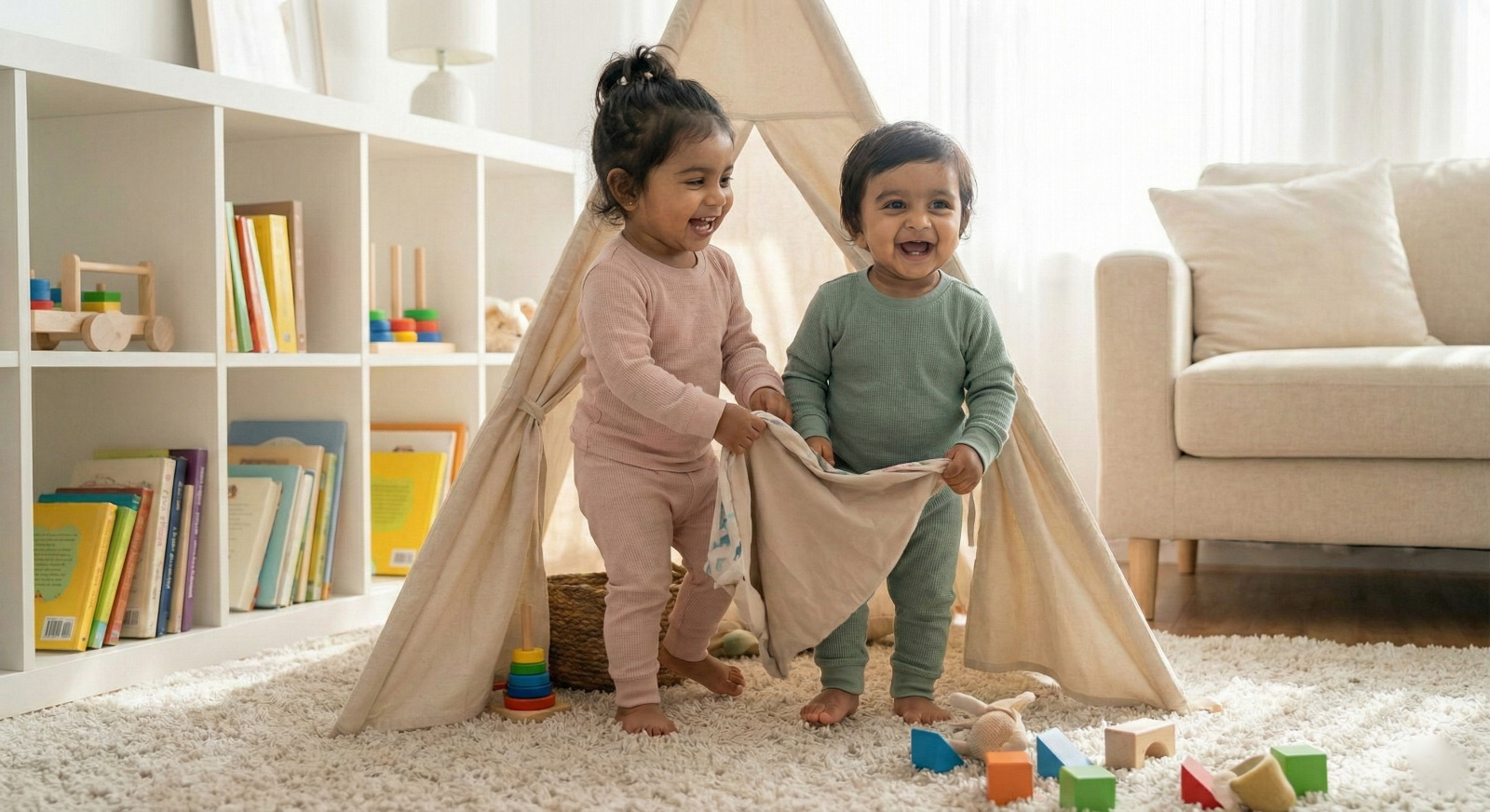
Early childhood is a time when learning happens effortlessly. Children observe, imitate, question, and explore without being asked to do so. Curiosity is natural at this stage, not something that needs to be taught. However, learning environments often introduce structure much earlier than necessary. Fixed routines, constant instructions, and outcome-based activities slowly replace exploration. Over time, learning begins to feel like something children must complete, rather than something they enjoy.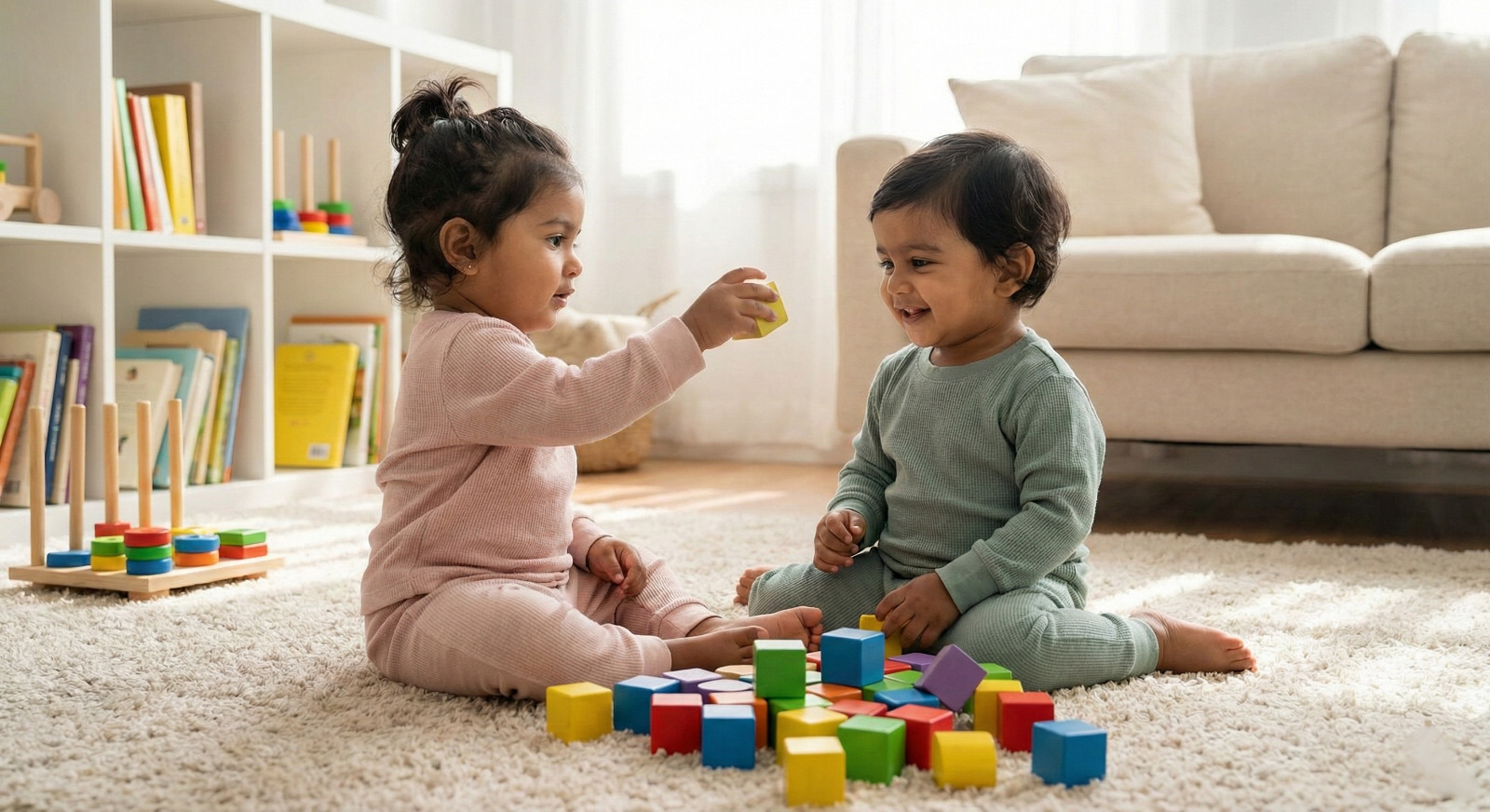
When children are always guided, they rarely get the chance to guide themselves. They may become dependent on approval, hesitant to take risks, or unsure of their own ideas. This quiet shift often goes unnoticed, but its impact stays.
Unstructured learning restores balance. It allows children to choose how they play, what they explore, and how long they engage. In these moments, they develop creativity, decision-making skills, and resilience. They learn through trial, error, and imagination the way learning is meant to happen.
Free play also supports emotional growth. Children experience frustration, excitement, conflict, and cooperation naturally. They learn to manage emotions, communicate needs, and build relationships without constant adult direction.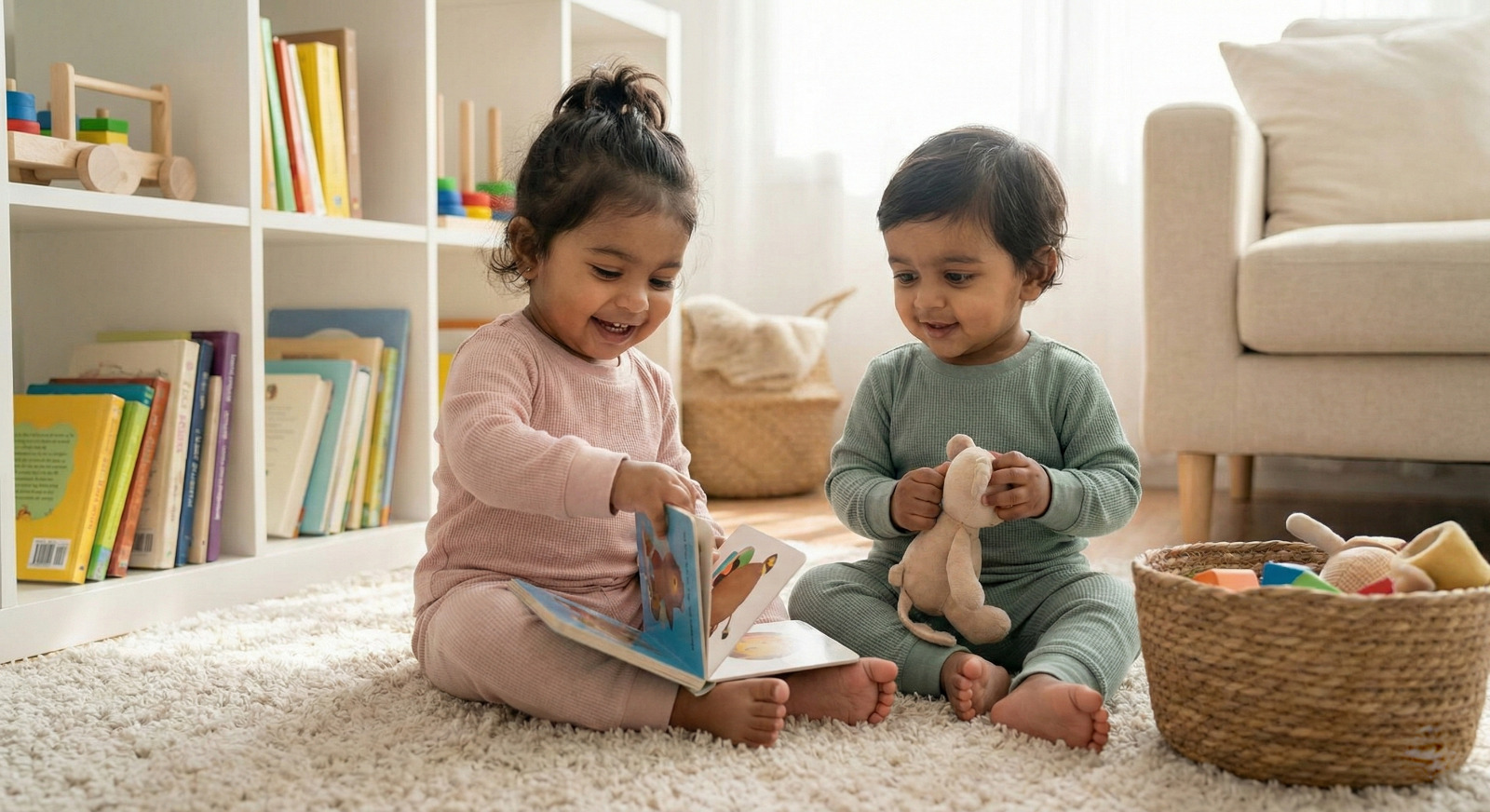
When learning feels open and safe, curiosity stays alive. Children remain eager to explore, confident in their abilities, and motivated to learn. This strong emotional connection to learning becomes the foundation for future academic success.
Giving children space to explore is not a lack of structure it is trust. And trust is where confident, capable learners begin.