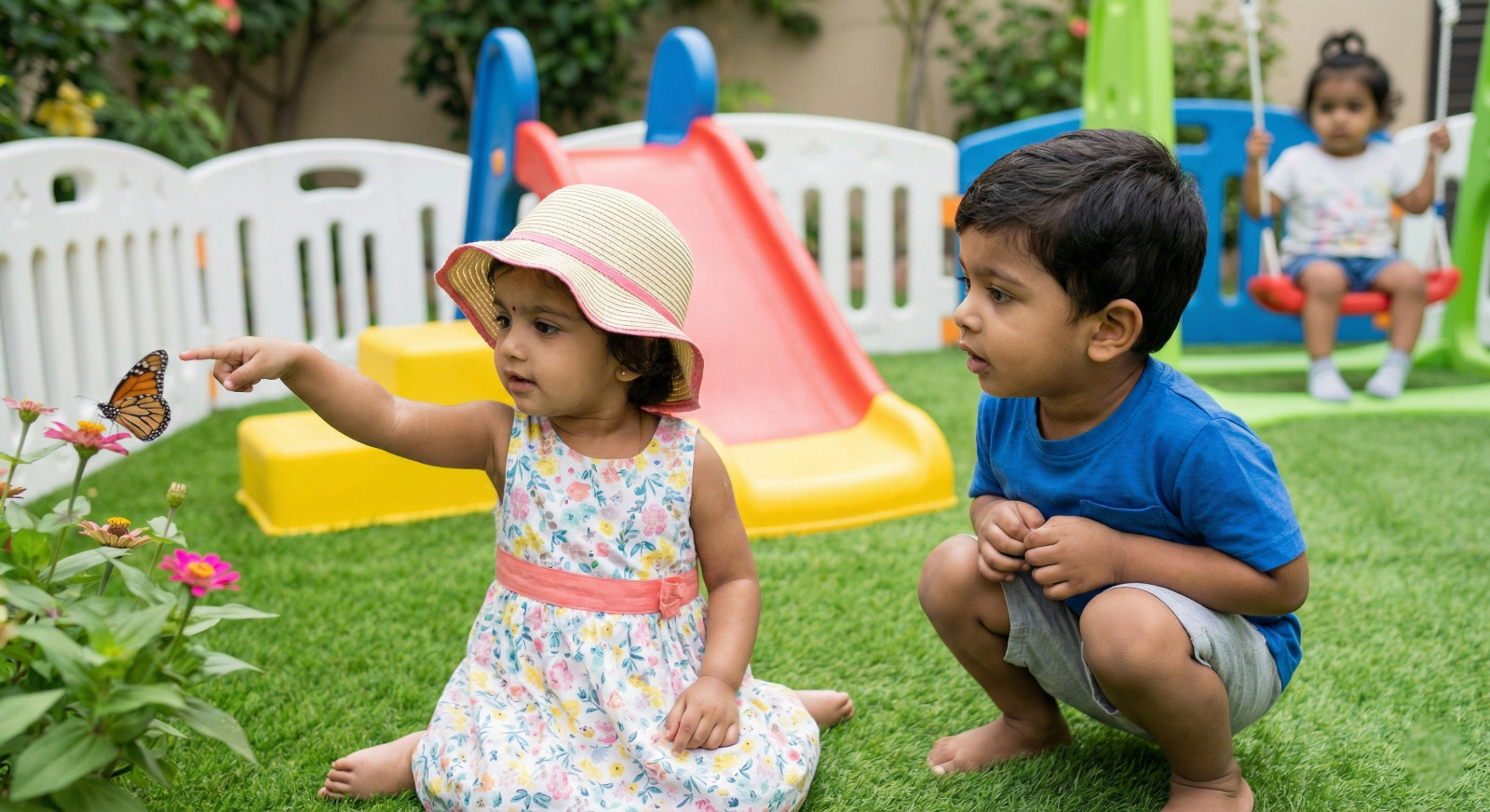
Children are often judged by how well they read, write, or calculate. While these skills matter, they represent only a small part of a child’s potential. Intelligence shows up in many forms, and each form deserves recognition.
Some children understand the world through movement. Some through sound, rhythm, and music. Others through empathy, observation, leadership, or creativity. When these abilities are overlooked, children may begin to believe they are not capable even when they are deeply talented.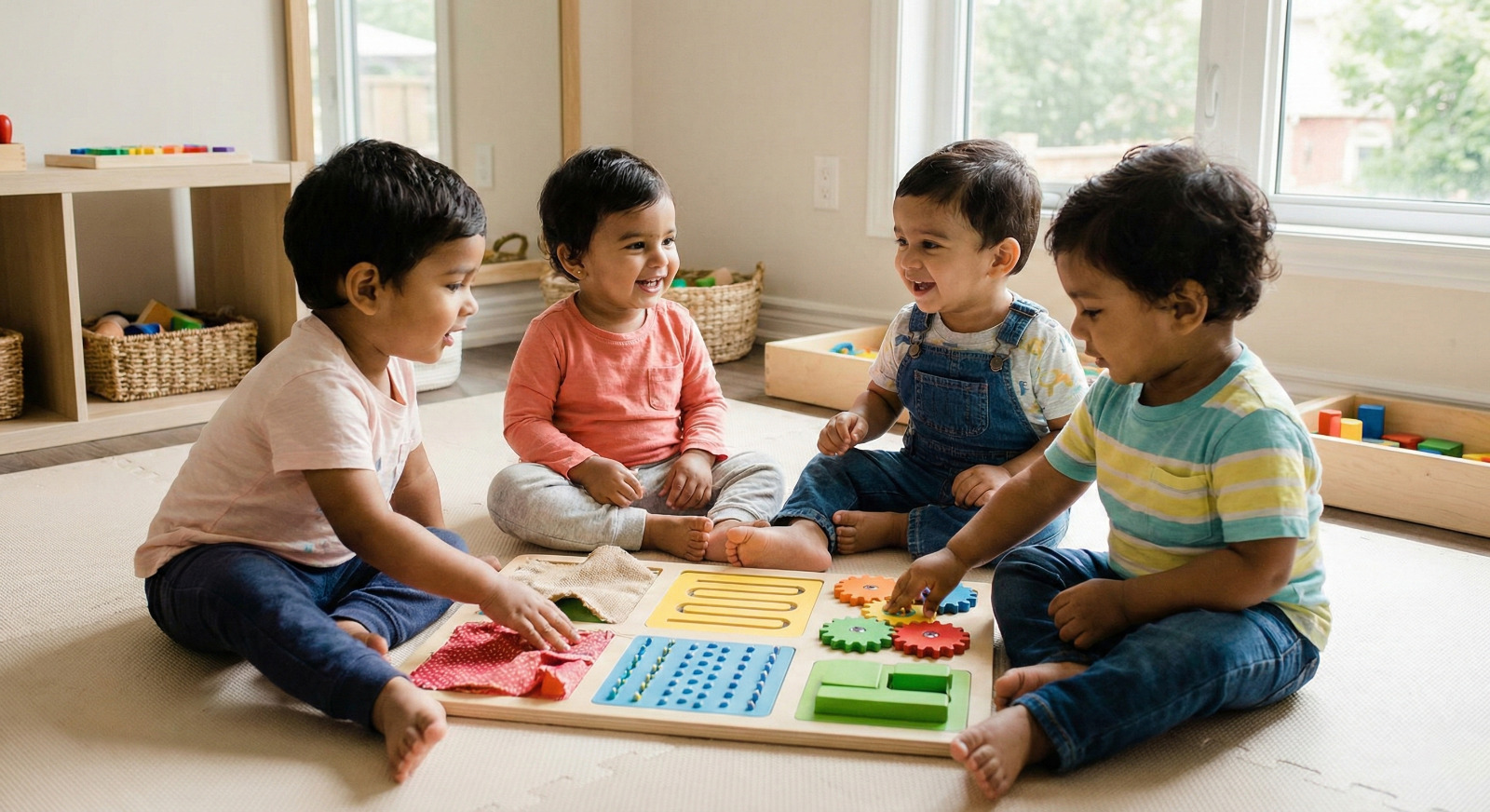
This narrow view of intelligence can lead to self-doubt and disengagement. Children may stop trying, withdraw, or feel disconnected from learning simply because their strengths don’t fit traditional expectations.
When learning embraces multiple intelligences, children feel seen. Education becomes inclusive rather than comparative. A child who struggles in one area gains confidence by excelling in another, and that confidence often carries over into all areas of learning.
This approach supports holistic growth. Academic understanding develops alongside emotional intelligence, creativity, physical awareness, and social skills. Children learn how to express themselves, understand others, and solve problems in ways that feel natural to them.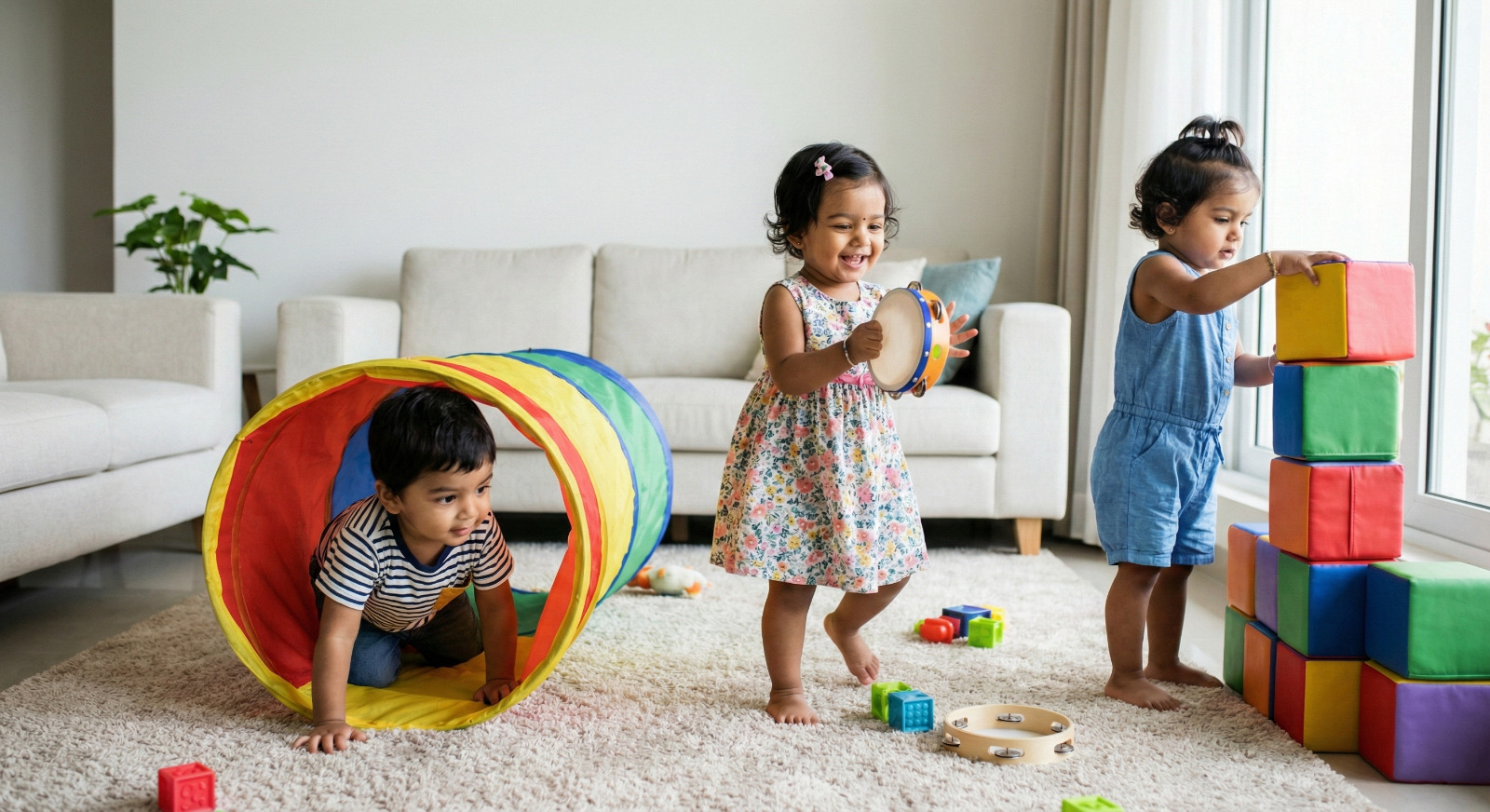
Recognising different intelligences also teaches children an important lesson that everyone has strengths, and everyone learns differently. This builds self-respect, empathy, and confidence.
When children are encouraged to explore their unique abilities, learning becomes meaningful and empowering. They grow into individuals who trust themselves, appreciate their strengths, and approach the world with curiosity and belief.